
Is Ozempic Ruining Your Teeth? What Lagos Doctors Aren’t Telling You
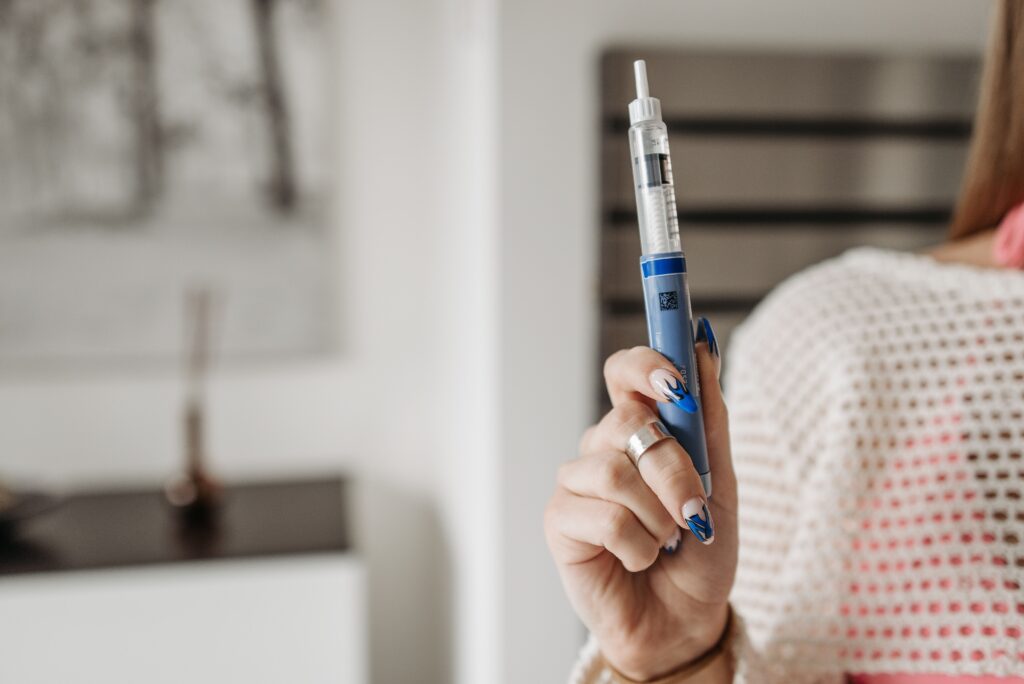
Adaeze had never felt this good in her adult life.
Three months on Mounjaro. Twelve kilograms gone. Her colleagues at the office in Victoria Island stopped her in the corridor to ask what she was doing. Her aunties at the last owambe could not stop talking about her “fresh body.” Her husband kept looking at her like they had just met. She was glowing.
Then one Tuesday morning she bit into a piece of agege bread — soft, freshly baked, nothing hard about it — and felt a sharp, electric pain shoot through her upper left jaw.
She ignored it. She was busy.
Two weeks later, she was in the dentist’s chair being told that two of her back teeth had significant enamel erosion — the kind of damage that takes years to develop. She was 34. She had never had a serious dental problem in her life.
“You’re on semaglutide or a GLP-1 drug?” the dentist asked.
She blinked. “Yes. How did you know?”
This is what nobody told Adaeze — and what nobody is telling thousands of Lagosians currently taking Ozempic, Mounjaro, or any other GLP-1 weight loss injection. These drugs are genuinely effective. But they are doing something quiet and irreversible in your mouth.
Your Mouth Relies on Saliva More Than You Realise
Most people think of saliva as just the liquid that helps food go down. It is much more than that. Saliva is your mouth’s entire defence system.
It neutralises acids after every meal. It remineralises your enamel — essentially doing small repairs on your teeth throughout the day. It flushes away bacteria before they can settle into plaque. It keeps gum tissue hydrated and healthy. Without enough of it, your mouth becomes a hostile environment for your teeth.
Here is the problem with GLP-1 drugs: GLP-1 receptors — the exact receptors these medications target — are present in your salivary glands. This means semaglutide and similar drugs can directly affect how much saliva your glands produce. Published case reports in peer-reviewed medical literature have documented patients developing significant dry mouth (a condition called xerostomia) after starting semaglutide.
A mouth that is consistently dry is a mouth that is slowly losing its defences. Acids from food and bacteria linger longer. Enamel gets no repair. Gum tissue gets irritated. It is quiet damage — the kind you do not feel until it is already serious.
The Side Effect Nobody Talks About at the Clinic
Ask anyone who has started a GLP-1 injection what the hardest part was in the first few weeks. Nearly all of them will say the same thing: the nausea.
Nausea and vomiting are among the most commonly reported side effects of semaglutide — they are listed in the drug’s official prescribing information. Most people experience this especially as their dose increases. Many quietly vomit and say nothing about it because the weight loss results feel worth it.
But every single time you vomit, stomach acid washes over your teeth.
Stomach acid has a pH of around 2. Your tooth enamel begins to dissolve at a pH of 5.5. The gap between those two numbers represents the damage happening every time acid reaches your teeth. And unlike a scratch on your skin, enamel cannot heal. It does not grow back. Once it is gone, it is gone — and the only solutions are dental interventions like bonding, crowns, or veneers.
GLP-1 drugs also slow gastric emptying — that is part of how they work. But slowed gastric emptying means stomach contents (and acid) sit longer in the upper digestive tract, increasing the risk of acid reflux. Acid reflux brings that same corrosive stomach acid back up towards the mouth, repeatedly, often without the dramatic experience of vomiting. You might just feel a slight burn at night and think nothing of it.
Your teeth, however, are keeping score.
The Nutrition Problem Nobody Sees Coming
One of the most celebrated effects of Ozempic and Mounjaro is how dramatically they suppress appetite. People describe simply forgetting to eat. A full meal feels impossible. Snacks feel like too much effort.
The problem is that your teeth and jawbone depend on proper nutrition to stay strong. Calcium and Vitamin D are essential for maintaining bone density in your jaw and the structural integrity of your teeth. When food intake drops significantly and stays low for months, these nutrients can quietly fall below the levels your body needs.
There is also a softer issue: when eating feels uncomfortable or nauseating, people instinctively reach for foods that go down easily — soft drinks, yoghurt, processed snacks, sweet porridge. These are often higher in sugar and lower in the nutrients your mouth needs. The diet shift happens slowly, without anyone planning it.
What You Should Actually Do If You Are on a GLP-1 Drug in Lagos
None of this means you should stop your medication. That is a conversation between you and your doctor. What it means is that your mouth needs active protection now — not later, after damage has shown up.
Here is what matters practically:
- Book a dental check-up before or immediately after starting. Get a baseline. If erosion or decay is already beginning, catching it early is the difference between a simple treatment and a major restoration.
- After vomiting, do not brush your teeth immediately. This is counterintuitive but important — brushing within 30 minutes of vomiting scrubs already-softened enamel and makes the damage worse. Rinse with water or a fluoride mouthwash, wait at least 30 minutes, then brush.
- Stay hydrated. Sipping water consistently through the day helps compensate for reduced saliva and keeps your mouth’s environment less acidic. Keep water close at all times.
- Use fluoride toothpaste and do not skip it. Fluoride helps remineralise enamel and is your teeth’s primary defence when saliva is reduced.
- Tell your dentist you are on GLP-1 medication. Many patients do not mention this because it feels unrelated. It is not unrelated. It changes what your dentist looks for and how they advise you.
- Consider a prescription fluoride treatment. For patients with documented dry mouth or enamel wear, professional-strength fluoride applications can slow or halt the damage.
Adaeze’s Teeth Are Being Fixed. Yours Don’t Have to Reach That Point.
Adaeze is now in the middle of a restorative treatment plan. She did not lose her teeth. The damage was caught early enough to be managed. But she spent more money, more time, and more anxiety than she would have if someone — any of the three clinics she visited for her weight loss injections — had simply said: “By the way, while you are on this, watch your teeth.”
Nobody said it.
If you are currently on Ozempic, Mounjaro, or any GLP-1 medication in Lagos, the smartest thing you can do this week is get your teeth properly assessed — before any symptoms appear, not after. At Dovers Dental Clinic in Lekki Phase 1, we see patients on weight loss medications regularly and we know exactly what to look for.
For more on protecting your dental health and understanding the treatments available at our clinic, visit our services page, or check our FAQ for common questions.
Book a check-up at Dovers Dental Clinic today. Same-day slots are often available. Your weight loss journey should not cost you your teeth.
Protect your teeth and keep them clean at Dovers Dental
Visit our Scaling & Polishing page to see full details, or book your appointment online — MDCN-licensed dentists in Lekki Phase 1. Same-day bookings available.
Ready to Book Your Appointment?
Our dentists at Dovers Dental Clinic, Lekki, are here to help.
