
Why Are My Teeth Sensitive? Causes and How to Get Relief (Lagos Guide)
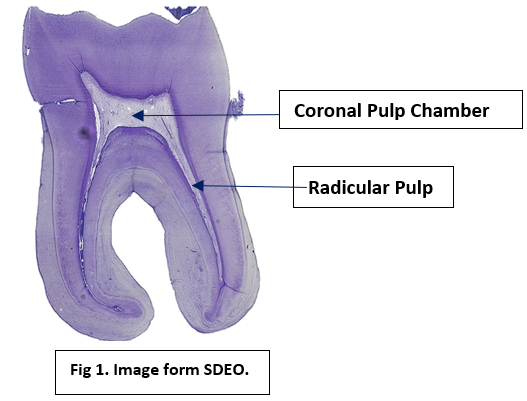
That sharp, sudden zing when you sip cold water, bite into ice cream, or even breathe in cool air can stop you in your tracks. If you keep asking why are my teeth sensitive, the answer almost always comes down to exposed dentine — the softer layer beneath your enamel — and the reassuring news is that most sensitivity can be eased once you know what is causing it. This guide from Dovers Dental Clinic in Lekki Phase 1 explains what is really going on inside the tooth and how to get lasting relief.
Why Are My Teeth Sensitive?
Beneath your hard outer enamel sits a layer called dentine, which is full of microscopic tubes that lead straight to the nerve at the centre of the tooth. While enamel and healthy gums keep that dentine sealed off, anything that wears the enamel down or makes the gums recede leaves those tiny tubes exposed. Hot, cold, sweet, or acidic things then travel down the tubes and reach the nerve, producing that quick, sharp jolt. In other words, sensitivity is a symptom rather than a disease — which is exactly why finding the underlying cause matters more than simply gritting your teeth through it.
Common Causes of Tooth Sensitivity
There are several usual suspects. Enamel can be worn thin by acidic foods and drinks such as soft drinks, citrus, and fruit juices. Brushing too hard with a stiff brush gradually scrubs enamel away and pushes the gums back. Gum recession exposes the root, which has no enamel to protect it at all. Night-time teeth grinding can wear and crack the surface, and an actual crack or a cavity will cause a more localised, sharper pain. Sensitivity can also flare up temporarily after teeth whitening or routine dental work.
Pinpointing which of these applies to you decides the right fix, because a worn-enamel problem is handled completely differently from a cracked tooth or active decay. That is why generalised, all-over sensitivity and a single sharply painful tooth are treated as two different situations.
It is also worth knowing that sensitivity can come and go. Cold harmattan air, a spell of stress-related grinding, or a few weeks of heavy citrus and soft drinks can all bring it on temporarily, then settle again. Tracking when your teeth feel worst — mornings, after certain foods, or only on one side — gives both you and your dentist valuable clues about the underlying cause.
How to Get Relief from Sensitive Teeth at Home
If you are wondering why are my teeth sensitive and what you can do tonight, start with a desensitising toothpaste. Used consistently over a couple of weeks, it helps block the pain signals travelling through those exposed tubes — our guide to the best toothpaste for sensitive teeth in Nigeria covers the options worth trying. Switch to a soft-bristled brush, brush gently rather than scrubbing, and ease off acidic drinks.
One simple habit makes a real difference: avoid brushing straight after acidic food or drink. Acid temporarily softens enamel, so wait about an hour before brushing, otherwise you are scrubbing away enamel while it is at its most vulnerable. These steps calm mild, generalised sensitivity — but if a single tooth is sharply sensitive, that is a different story.
It also helps to be gentle with timing and temperature while your teeth settle. Very hot and very cold foods eaten together, or sucking on ice, put exposed dentine through repeated stress, so easing off extremes for a couple of weeks gives the tooth a chance to calm down. If you grind your teeth at night, you may wake with widespread sensitivity — mentioning this to your dentist matters, because a simple night guard can protect the enamel while you sleep.
Why Are My Teeth Sensitive After Whitening?
Sensitivity after whitening is extremely common and usually temporary. The whitening process briefly opens up those dentine tubes, so teeth can feel more reactive for a day or two afterwards. Using a desensitising toothpaste in the days before and after whitening, and sticking to lukewarm food and drink for a short while, usually settles it quickly. If the sensitivity is severe or lasts well beyond a few days, it is worth having it checked rather than assuming it is just the whitening.
When Sensitive Teeth Need a Dentist
See a dentist if one specific tooth is sensitive, the pain lingers rather than passing quickly, or you also notice a hole, a dark spot, or pain when biting down — these can signal a cavity, a crack, or an exposed root that home care alone cannot fix. A dentist can apply fluoride varnish, seal the exposed areas, or treat the underlying decay directly. Our teeth sensitivity treatment targets the exact cause rather than just dulling the symptom. For pricing on assessments and treatment, contact us for current pricing.
Treating Tooth Sensitivity at Dovers Dental Clinic, Lekki
At Dovers Dental Clinic in Lekki Phase 1, we find out exactly why your teeth are sensitive — whether it is worn enamel, receding gums, grinding, or decay — and treat that root cause so the relief actually lasts. A short, gentle visit is often all it takes to identify the problem and start you on the right fix instead of guessing.
If you are unsure where to start, a quick check-up is the fastest way to know whether your sensitivity is simple wear or something that needs treatment — and to get a plan that fits your teeth.
Tired of bracing yourself before every cold drink? Book an appointment at Dovers Dental Clinic in Lekki Phase 1 and let our gentle team get to the bottom of your sensitive teeth — so you can enjoy your food and drinks again without the wince.
Preventing sensitivity from returning comes down to protecting your enamel and gums day to day: brush gently with a soft brush, keep acidic drinks to mealtimes rather than sipping them all day, wear a night guard if you grind, and keep up your regular check-ups so small problems are caught before they reach the nerve. With the cause addressed and these habits in place, most people find their teeth stay comfortable for the long term.
