
Tooth Extraction Aftercare in Lagos: What to Do After Getting a Tooth Pulled (2026 Guide)
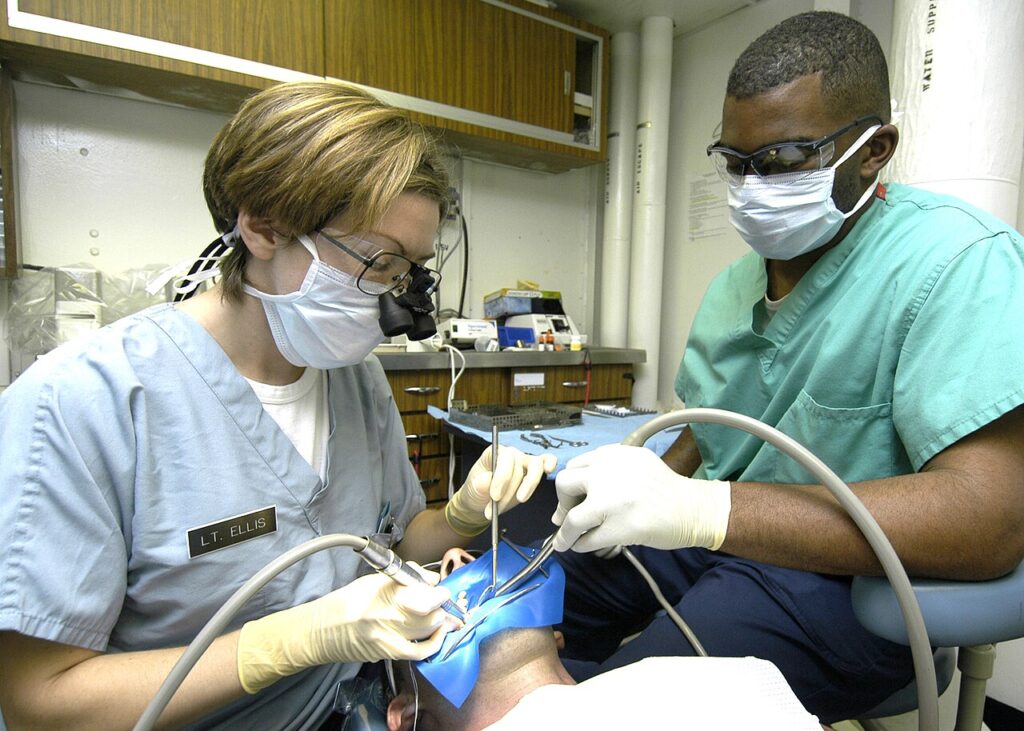
Having a tooth pulled is one of the most common dental procedures in Lagos â but what happens after you leave the clinic matters just as much as the extraction itself. If you have recently had a tooth extraction in Lagos or you are preparing for one, following the right tooth extraction aftercare steps will help you heal faster, avoid complications like dry socket, and get back to normal life quickly. At Dovers Dental Clinic in Lekki Phase 1, we guide every patient through their recovery â and this post covers everything you need to know.
What to Expect Immediately After a Tooth Extraction in Lagos
Right after your dentist removes the tooth, you will be asked to bite down on a gauze pad for 30â45 minutes. This pressure helps a blood clot form in the socket â and that clot is the foundation of your healing. It is completely normal to experience:
- Mild to moderate bleeding for the first few hours
- Swelling around the jaw and cheek
- Some discomfort or throbbing once the local anaesthetic wears off (usually after 2â4 hours)
- A slightly metallic taste in your mouth
These are all signs that your body’s natural healing process has begun. If bleeding is heavy or does not slow down after 1â2 hours of firm pressure, contact your dentist immediately.
The First 24 Hours: Critical Tooth Extraction Aftercare Steps
The first 24 hours are the most important window for tooth extraction aftercare. Here is what to do â and what to avoid:
Do:
- Rest. Avoid strenuous activity. In Lagos traffic and heat, it is tempting to rush back to your schedule, but physical exertion raises blood pressure and can dislodge the clot.
- Keep the gauze in place. Replace it as needed if it becomes soaked. Folded clean tissue or a new piece of gauze works fine.
- Apply an ice pack. Wrap ice or a cold sachet in a cloth and apply to your cheek in 20-minute intervals for the first 6 hours. This reduces swelling significantly.
- Eat soft foods. Pounded yam, soft ogi (pap), mashed potatoes, eggs, yoghurt, or blended soups are ideal. Avoid anything hard, crunchy, or chewy on the extraction side.
- Take prescribed medication. Your dentist will likely prescribe an analgesic (like ibuprofen or paracetamol) and possibly an antibiotic. Take them as directed, even if you feel fine.
Do Not:
- Do not smoke. Smoking â including through a cigarette or shisha â creates suction that can dislodge the blood clot. This is the leading cause of dry socket.
- Do not drink through a straw. Same reason â the suction is dangerous in the first 48â72 hours.
- Do not rinse vigorously. Forceful rinsing or spitting can pull the clot out before it is set.
- Do not drink hot liquids or alcohol. These increase blood flow to the area and prolong bleeding.
- Do not touch the socket. No poking with your tongue or finger, no matter how tempted you feel.
Days 2â7: Healing and Gentle Tooth Extraction Aftercare
From the second day onwards, your focus shifts from protecting the clot to keeping the area clean while letting it heal.
Day 2â3: Swelling often peaks around day two or three. This is normal. Continue with the ice pack on day two; on day three, switch to warm compresses to help with jaw stiffness. You may notice a whitish or yellowish film over the socket â this is granulation tissue forming as the body heals, not infection. Infection typically looks red, feels hot, and is accompanied by worsening pain or fever.
Day 4â5: Most of the swelling should begin to subside. Gradually reintroduce softer solid foods â soft rice, boiled yam, fish without bones, soft beans. Still avoid the extraction side.
Day 5â7: Begin gentle salt-water rinses â dissolve half a teaspoon of salt in a cup of warm water and swish gently after meals. Do not spit forcefully; tilt your head to let the water run out. This keeps the area clean without disturbing healing.
After 7â10 days, most patients feel largely normal. The socket takes about 3â4 weeks to fully close on the surface, and the underlying bone takes 3â6 months to completely remodel.
What Is Dry Socket and How Do You Know You Have It?
Dry socket (alveolar osteitis) is the most common complication of tooth extraction aftercare in Lagos â and the most painful. It happens when the blood clot is dislodged or dissolves before the socket has healed, leaving the bone and nerve endings exposed.
Signs of dry socket include:
- Severe, throbbing pain beginning 3â5 days after extraction (rather than improving)
- Pain that radiates to your ear, eye, or neck
- A visible empty socket â no dark clot, just whitish bone
- Bad breath or an unpleasant taste
Dry socket is not an infection, but it is extremely uncomfortable and needs prompt treatment. Contact Dovers Dental Clinic in Lekki Phase 1 as soon as possible. Our team will clean the socket and place a medicated dressing to provide almost immediate pain relief. Please do not attempt to treat dry socket at home without professional guidance.
Foods to Eat and Avoid After a Tooth Extraction in Lagos
Lagos cuisine is rich, flavourful, and often requires serious chewing â a real challenge when recovering from an extraction. Here is how to eat well while keeping your socket safe:
Safe options:
- Pap (ogi) and akamu
- Soft moi moi
- Blended egusi or vegetable soup (drink it rather than chewing the leaves)
- Mashed yam or yam porridge (well-cooked and soft)
- Custard, yoghurt, soft custard biscuits soaked in milk
- Eggs (scrambled or soft-boiled)
- Ice cream â the cold can even help with swelling
Avoid for at least one week:
- Fried fish with bones, pomo (cow skin), snail, or tough proteins
- Popcorn, peanuts, chin chin â small pieces can lodge in the socket
- Very spicy pepper soups or stews in the first few days
- Carbonated drinks (the bubbles can disturb the healing clot)
When to Call Your Dentist After a Tooth Extraction
Most extractions heal without problems, but contact your dental team if you notice:
- Heavy bleeding that does not slow after 1â2 hours of firm pressure
- Pain that gets worse after day 3 instead of improving
- Fever above 38°C
- Swelling that increases after day 3
- Numbness or tingling that persists beyond the anaesthetic duration
- Pus or discharge from the socket
These symptoms do not necessarily mean something has gone seriously wrong, but they warrant a check-up to rule out infection or dry socket early â before things become more complicated to treat.
For answers to other common questions, visit our Frequently Asked Questions page or browse our full range of dental services in Lagos.
Book Your Appointment at Dovers Dental Clinic, Lekki Phase 1
Recovering well from a tooth extraction starts with excellent professional care â and continues with the right aftercare at home. At Dovers Dental Clinic in Lekki Phase 1, Lagos, our team is here to support you throughout your recovery. Whether you need a follow-up check, have concerns about healing, or want to discuss tooth replacement options such as implants or bridges, we are ready to help. Book your appointment online today â same-day slots are often available.
Book a tooth extraction at Dovers Dental Clinic, Lekki
Visit our Tooth Extraction page to see full details, or book your appointment online — MDCN-licensed dentists in Lekki Phase 1. Same-day bookings available.
Ready to Book Your Appointment?
Our dentists at Dovers Dental Clinic, Lekki, are here to help.
