
Bleeding Gums in Lagos: Causes, Symptoms, and When to See a Dentist
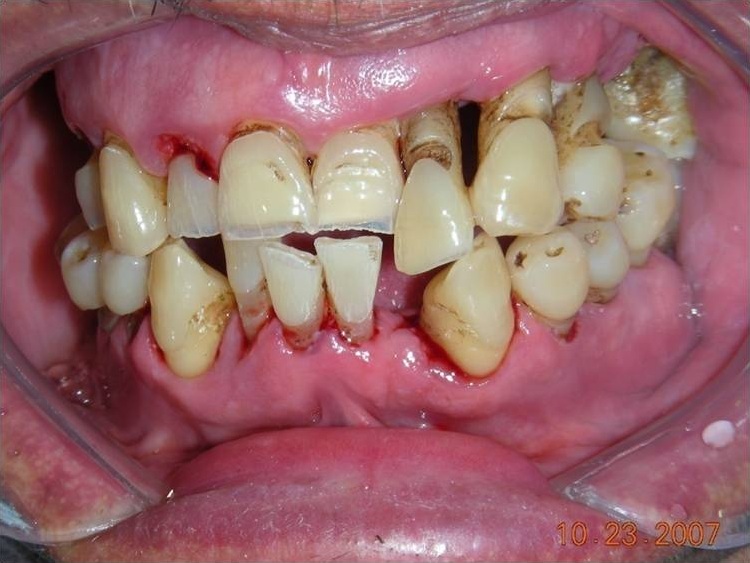
Spitting a little pink into the sink after brushing is so common that most people simply ignore it — but bleeding gums are the earliest warning your mouth gives you, and they are by far the easiest to reverse when you act early. Whether it happens now and then or every single time you brush, this guide from Dovers Dental Clinic in Lekki Phase 1 explains why your gums bleed, how to settle them at home, and the point at which you should see a dentist.
Why Are My Gums Bleeding?
Healthy gums do not usually bleed, even when you brush firmly. When they do, it is almost always because plaque — a soft, sticky film of bacteria — has built up along the gum line and inflamed the surrounding tissue. This early, fully reversible stage is called gingivitis, and the bleeding is your body flagging that inflammation. It is a signal to pay attention, not something to brush past and forget.
The encouraging part is that caught early, bleeding gums can often be turned around within a couple of weeks through better daily cleaning and a professional scale. Left alone, though, the inflammation can creep below the gum line and progress into deeper gum disease that slowly damages the bone holding your teeth in place.
Common Causes of Bleeding Gums in Lagos
The single biggest cause is inconsistent cleaning — especially skipped flossing, which allows plaque to harden into tartar exactly where a toothbrush cannot reach. Other common contributors include brushing too hard with a stiff-bristled brush, hormonal changes during pregnancy, smoking, certain medications, and vitamin deficiencies. Stress and a sugar-heavy diet quietly make things worse by feeding the bacteria involved.
One point often misunderstood: people who have just started flossing frequently notice some bleeding for the first few days. That is the gums adjusting and getting healthier, not a reason to stop — it usually settles within a week of consistent, gentle flossing.
Diet plays a quieter role than most people expect. A mouth that is constantly fed sugary snacks, soft drinks, and refined carbohydrates gives plaque bacteria a steady supply of fuel, keeping the gums inflamed. Foods rich in vitamin C and calcium, plenty of water, and limiting sugary grazing between meals all support gum health from the inside out — so what you eat matters almost as much as how well you brush.
Gingivitis vs. Gum Disease: How Bleeding Gums Progress
Understanding the stages helps you judge urgency. Gingivitis is the first stage — red, puffy gums that bleed easily but with no lasting damage yet, and it is reversible. If ignored, it can advance to periodontitis, where the gums pull away from the teeth, deeper pockets form, and the bone begins to break down. At that stage teeth can loosen, and the damage is managed rather than fully reversed. The good news is that the journey from healthy gums to serious disease is slow and gives you plenty of warning — bleeding is the very first flag, which is why responding to it early matters so much.
How to Stop Bleeding Gums at Home
To calm bleeding gums, brush gently twice a day with a soft-bristled brush, and floss once daily — carefully and thoroughly, not aggressively. An antibacterial or warm salt-water rinse can soothe inflamed tissue, while staying hydrated and cutting back on smoking and sugary snacks gives your gums room to recover. Be patient and consistent: gums respond to steady daily care, not to occasional hard scrubbing, which actually irritates them and can make the bleeding worse.
Give it about two weeks. If your gums are healthier and the bleeding has eased, your routine is working. If they are still bleeding despite genuinely good care, that is the line where home measures stop and a dentist should take over.
A few extra habits speed recovery. Replace your toothbrush every three months (or sooner if the bristles splay), because a worn brush cleans poorly and can scratch the gums. Consider an interdental brush if floss is awkward to use, and clean your tongue while you are at it to reduce the bacterial load in your mouth overall. None of this needs to be complicated — small, repeated daily actions beat occasional intense effort every time.
When Bleeding Gums Are a Warning Sign
See a dentist promptly if the bleeding is persistent, your gums are swollen, tender, or visibly receding, you have bad breath that will not clear, or any tooth feels loose. These point to gum disease that needs professional cleaning below the gum line. A scaling and polishing (from ₦40,000) removes the hardened tartar driving the inflammation, and for more advanced cases our gum and periodontal care treats the deeper pockets that brushing can never reach. Bad breath often travels with bleeding gums — our guide to getting rid of bad breath explains why the two are linked.
Treating Bleeding Gums at Dovers Dental Clinic, Lekki
At Dovers Dental Clinic in Lekki Phase 1, we catch gum problems early and reverse them before they ever cost you teeth. A gentle professional clean, a careful check for hidden tartar below the gum line, and a simple tailored home routine are usually all it takes to stop the bleeding for good. For pricing on gum assessments and periodontal treatment, contact us for current pricing.
Don’t wait for bleeding gums to turn into loose teeth. Book an appointment at Dovers Dental Clinic in Lekki Phase 1 and let our friendly team get your gums healthy again — the earlier we see them, the simpler and gentler the fix.
Prevention is the long game, and it is straightforward: a consistent twice-daily clean, daily flossing, and a routine dental check and clean every six months so tartar never gets the chance to build up. For smokers, cutting down is one of the single biggest favours you can do your gums, since smoking both worsens gum disease and hides the bleeding that would normally warn you. Keep up these basics and healthy, non-bleeding gums become your normal rather than something you have to fight for.
